Inside the New “Slow Travel” Movement Taking Over the Travel Industry

In an age dominated by speed, instant gratification, and perpetual motion, a quiet revolution is reshaping the way we explore the world. Enter the slow travel movement—a philosophy that prioritises depth over distance, connection over checklists, and experiences over Instagram posts. For UK travellers seeking more than a fleeting holiday, slow travel offers a refreshing antidote to the frenetic pace of modern life.
What Is Slow Travel?At its core, slow travel is about immersing yourself in a destination rather than ticking off attractions in rapid succession. Think of it as quality over quantity: instead of cramming in as many cities, landmarks, or photo ops as possible, you focus on fewer experiences, but ones that linger in memory. It’s about walking streets instead of taking taxis, chatting with locals instead of rushing through guided tours, and savouring the rhythm of a place rather than racing against the clock.
The movement has its roots in the broader slow living ethos, which encourages mindfulness, sustainability, and appreciation for the everyday. Travel, after all, should not just be about seeing the world it should be about experiencing it fully.
Why It’s Gaining Popularity
Several factors are driving this trend. Firstly, burnout and stress are increasingly common in the modern workplace. Professionals with limited holiday time want more meaningful escapes, not rushed sightseeing sprees. Secondly, the environmental impact of constant air travel has prompted many to reconsider their habits. Slow travel often means staying longer in fewer places, using local transport, and supporting neighbourhood businesses, which reduces carbon footprints and fosters sustainable tourism.
Finally, the digital age has ironically made slow travel more appealing. With the constant bombardment of social media updates, travellers are seeking authentic experiences that can’t be captured in a filtered feed. They want to read a local book in a café, try home-cooked meals, or take part in cultural rituals moments that create lasting memories rather than fleeting snapshots.
How to Travel Slowly
1. Stay Longer in One Place: Instead of hopping between cities, book a week in a single town or neighbourhood. Get to know local markets, cafés, and hidden corners.
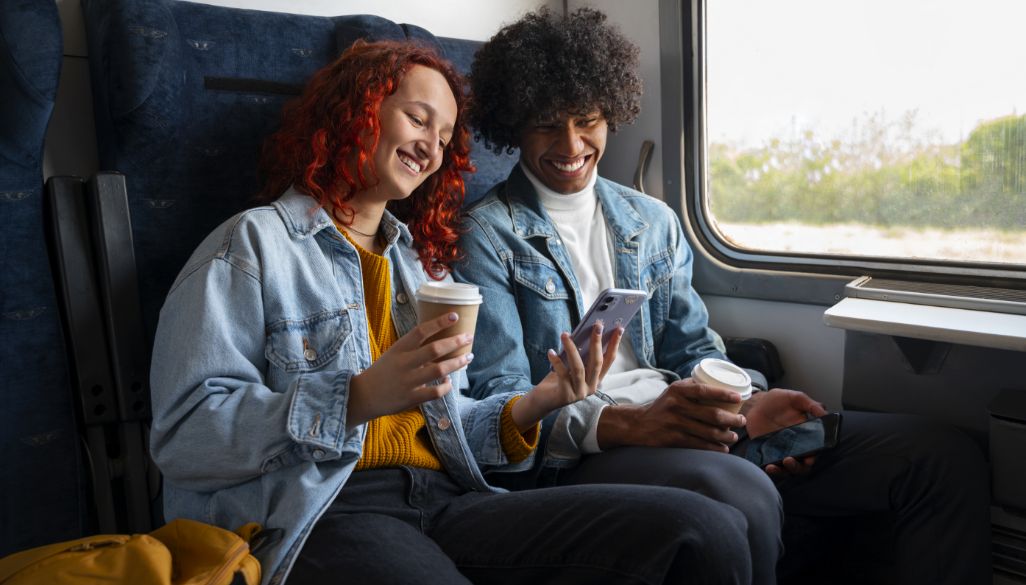
2. Use Local Transport: Trains, buses, or bicycles allow for exploration at a human pace, giving time to observe the rhythm of daily life.
3. Engage with Locals: Attend workshops, cooking classes, or community events. Learning a few words of the language can transform the experience.
4. Prioritise Experiences Over Landmarks: Museums, street performances, food tours, and scenic walks often leave a deeper impression than ticking off “must-see” attractions.
Destinations Perfect for Slow Travel
Europe is especially well-suited for this approach. Cities such as Porto, Seville, or Ghent offer walkable streets, rich local culture, and enough hidden gems to explore at a leisurely pace. Even within the UK,
places like the Cotswolds, Edinburgh, or St Ives reward visitors who take the time to wander, talk to locals, and enjoy the scenery rather than rushing from one postcard view to the next.
The Takeaway
Slow travel isn’t about travelling less—it’s about travelling better. It allows busy professionals to reconnect with themselves, rediscover joy in the small details, and build memories that endure far longer than the journey itself. In a world obsessed with speed, choosing to slow down is, paradoxically, the fastest way to feel rejuvenated.
Because sometimes, the best way to see the world… is to take your time. And as a valued member, you can enjoy unbeatable travel savings designed to make every journey more rewarding. From 10% off flights with over 450 airlines, to stays at more than 2 million hotels worldwide with discounts of up to 60%, plus up to 20% off airport lounges, parking, transfers, and travel insurance, your membership ensures that every trip is smoother, smarter, and far more affordable.

Features